The Art of Clay Oven Cooking: Why Tandoori Food Tastes Better
There is a reason tandoori chicken has become one of the most recognisable dishes in Indian cuisine. The deep, smoky flavour and the perfectly charred exterior come from a cooking method that has been refined over centuries. Clay oven cooking, in its many forms, is not just a technique. It is a tradition that shapes the texture and taste of the food in ways that modern ovens simply cannot replicate.
The tandoor, a cylindrical clay oven that can reach temperatures well above 400 degrees Celsius, is the heart of this approach. When you cook in a tandoor, the extreme heat sears the outside of the meat almost instantly, locking in moisture and creating a distinct crust. The charcoal and wood at the bottom add a layer of smokiness that infuses every piece of meat, whether it is chicken, lamb or fish. This is not something you can achieve with a standard grill or an electric oven. The combination of intense radiant heat and the natural properties of the clay wall gives the food a character that is both ancient and deeply satisfying.
How the Tandoor Works
The magic of clay oven cooking begins with the oven itself. Traditional tandoors are made from clay, often mixed with straw or other materials to improve insulation. The oven is shaped like a large urn, with a narrow opening at the top. A fire is built at the bottom using charcoal or wood, and the oven is left to heat for a long time. The clay absorbs the heat and radiates it evenly, creating a consistent cooking environment. The temperature at the bottom is much higher than at the top, which allows for different cooking techniques within the same oven. Skewers of marinated meat are lowered into the oven and cooked from all sides at once.

The key to good tandoori food is the marinade. Yoghurt, lemon juice and a blend of spices tenderise the meat and form a protective layer that stops it from drying out. When the meat hits the hot clay wall, the marinade caramelises, creating a dark, slightly charred surface that is packed with flavour. The inside of the meat stays juicy and tender. This balance between a crisp exterior and a moist interior is what makes tandoori cooking so special. It is a skill that requires practice and an understanding of how heat moves through the oven.
Beyond Meat: Vegetables and Breads
While meat dishes like seekh kebabs and lamb chops are the stars of many tandoori menus, the tandoor is also used for vegetables and breads. Paneer tikka, for example, is a vegetarian favourite. Chunks of paneer, capsicum and onion are marinated and cooked on skewers in the same way as meat. The result is a smoky, slightly charred vegetable dish that holds its own alongside any meat option. Tandoori roti and naan are also cooked by slapping the dough against the inner wall of the oven, where it sticks and bakes in seconds. The bubbles and char marks on the bread are signs of a properly heated tandoor.
Connect with us on Instagram.
One of the advantages of clay oven cooking is that it requires very little added fat. The intense heat does most of the work, and the marinade provides enough moisture to keep the food from drying out. This makes tandoori dishes lighter than many fried or oil-heavy alternatives. For anyone watching their intake, a plate of tandoori chicken or fish is a satisfying choice that does not feel heavy.
Common Mistakes and How to Avoid Them
Getting the best results from clay oven cooking is not as simple as just lighting a fire and putting food in. The most common mistake is not letting the oven heat properly. A tandoor needs at least an hour to reach the right temperature. If it is too cool, the meat will not sear and will end up dry and tough. Another frequent error is overcrowding the skewers. When pieces of meat are packed too tightly, the heat cannot circulate, and the food steams instead of roasting. Leaving a little space between each piece allows the hot air to do its job.
Marination time also matters. A quick dip in a spice mix will not give you the depth of flavour that a proper marinade provides. Ideally, meat should be marinated for several hours or overnight. The acid in the yoghurt and lemon juice breaks down the proteins, making the meat more tender and allowing the spices to penetrate deeper. Some chefs add a touch of food colouring to achieve that distinctive red hue, but natural turmeric and Kashmiri chilli powder can give a beautiful colour without artificial additives.
Pairing Tandoori Dishes with Drinks
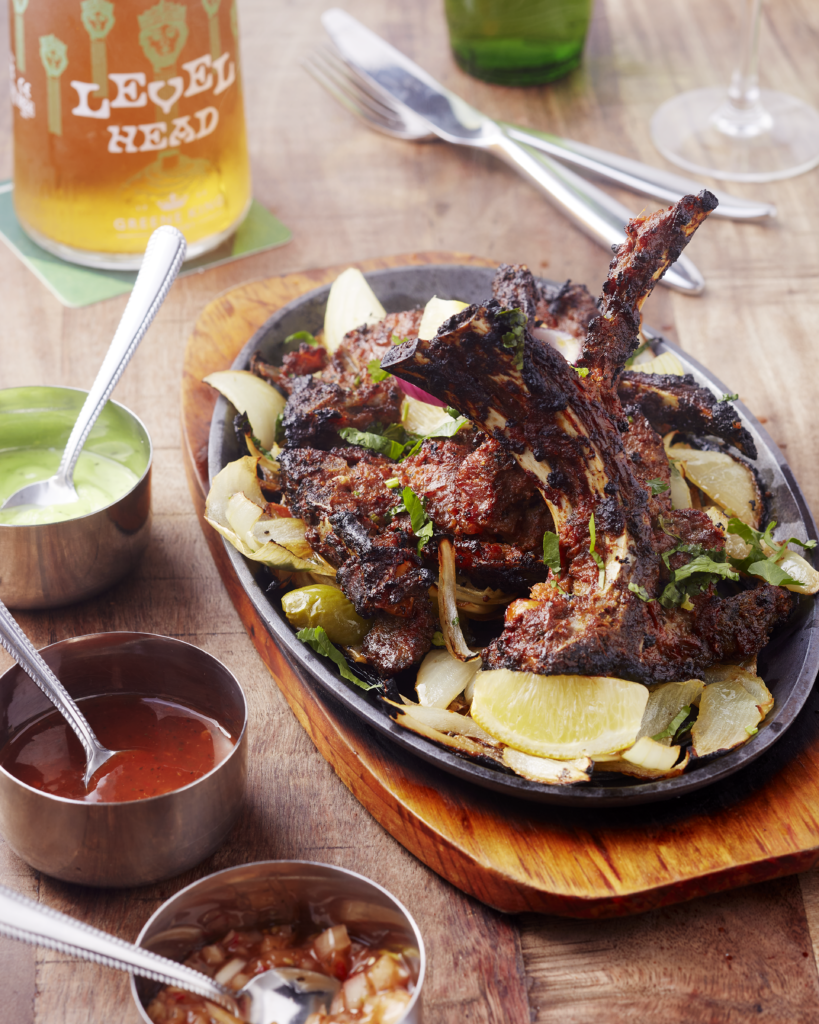
The bold, smoky flavours of clay oven cooking pair well with a range of drinks. A cold lager is a classic choice, cutting through the richness of the meat and refreshing the palate. For those who prefer something with a bit more character, a crisp white wine or a light red like a Beaujolais works surprisingly well. Cocktails with citrus or herbal notes can also complement the spices without overpowering them. The key is to avoid anything too sweet or too heavy, as those flavours can clash with the smokiness of the tandoor.
If you are new to tandoori food, a mixed grill platter is a good place to start. It usually includes a selection of chicken tikka, seekh kebabs, lamb chops and sometimes fish. This gives you a chance to taste different marinades and cooking styles in one meal. You will notice that each item has its own texture and level of spicing, but they all share that characteristic smokiness that comes from the clay oven.
Why Clay Oven Cooking Endures
In an age of fast cooking appliances and microwave meals, the tandoor might seem like a relic. But there is a reason it has survived for so long. The flavour it produces cannot be faked. No amount of liquid smoke or oven charring can replicate the even heat and smoky aroma that a clay oven provides. The process is slow and requires attention, but the results are worth the effort. For anyone who loves grilled food, understanding the basics of clay oven cooking opens up a world of possibilities.
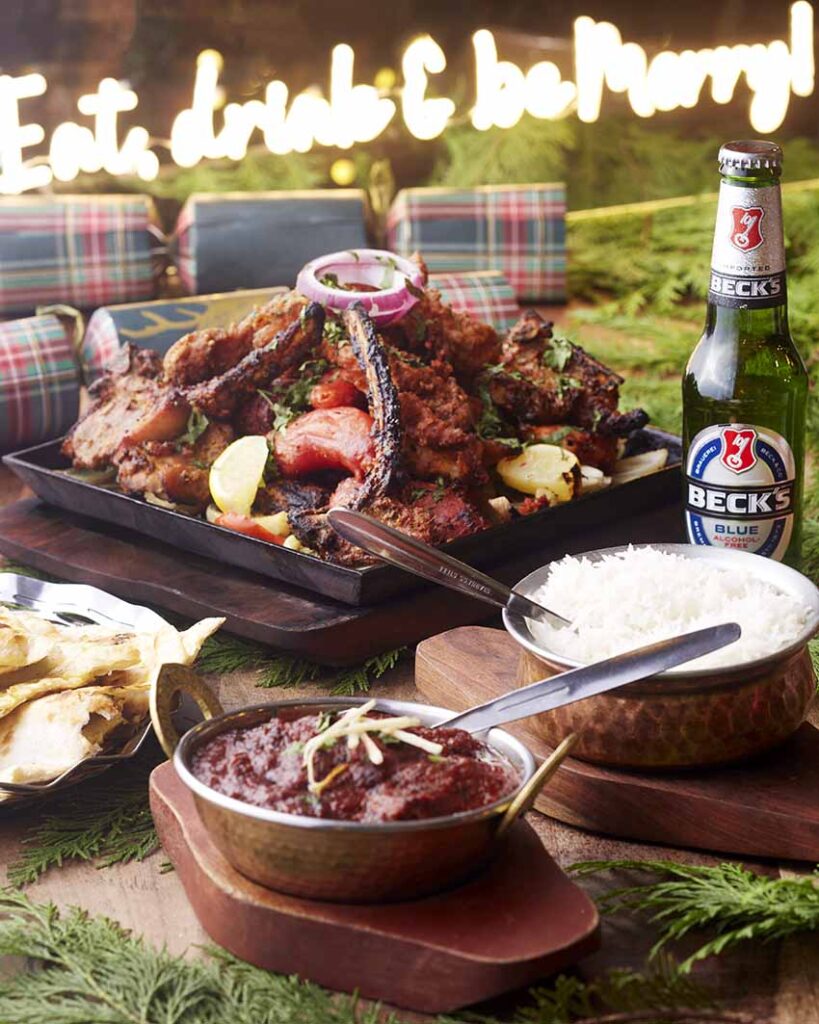
Whether you are cooking at home or ordering from a restaurant that uses a real tandoor, look for signs that the oven has been properly fired. The breads should have char marks, and the meat should have a slight blackening on the edges. That is not burnt food. That is the mark of authentic tandoori cooking. And if you ever find yourself near Birmingham, Smokey Barrels at 1741 Coventry Rd, Birmingham B26 1DS, UK, reachable at +44 121 764 5519, is an Indian restaurant and sports bar where the kitchen is built around the clay tandoor, serving mixed grills, chicken tikka, seekh kebabs, lamb chops and masala fish, alongside curries, vegetarian dishes, pub classics and a children's menu, with the spice menu being halal, the bar pouring nine beers on tap, cocktails and pitchers, and Premier League football, boxing, F1, cricket and rugby shown live on big HD screens, with free on-site parking, a beer garden, and private hire for 70 to 150 guests.
Ends · THECLAYOVENCOOKINGVIEW